DOH | Command Boards
Department of Health Command Boards for ICS-Based Public Health Response
Department of Health command boards are essential tools for organizing personnel, resources, and operations during public health emergencies. Whether managing mass vaccination sites, coordinating outbreak response, or overseeing healthcare evacuations, these boards provide a clear visual structure for incident command under ICS, NIMS, and HICS frameworks.
Command boards allow public health leaders to rapidly establish operational sections such as Operations, Planning, Logistics, and Finance, ensuring that roles are clearly defined and responsibilities are assigned without delay. This structured approach improves communication, enhances situational awareness, and supports coordinated decision-making across multiple agencies.
From dry erase command boards for field deployment to digital command systems that extend visibility across locations, these tools help Department of Health teams maintain control in complex and rapidly evolving incidents.

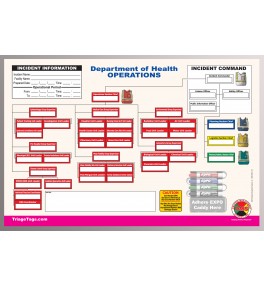
Department of Health Dry Erase Command Board Set
Department of Health Dry Erase Command Board Set Set of 4 Sturdy Full Color Dry Erase Command B..
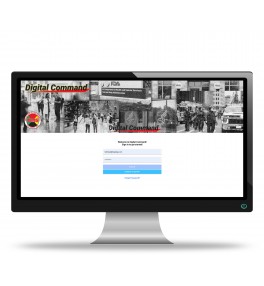
DMS Digital Command®
DMS Digital Command® Enhance Your Command Boards & Worksheets Enhance your dry erase comma..
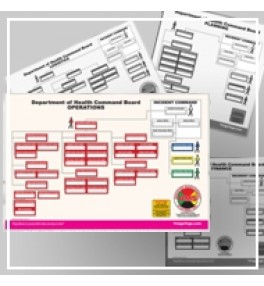
Custom Command Boards
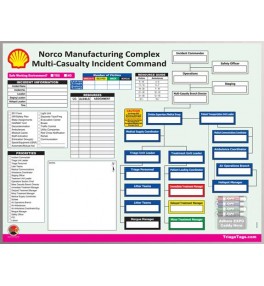
Custom Command Boards Let DMS Design and Build your Custom, Full Color Dry Erase / Digital Comm..
Common Uses for Department of Health Command Boards
- Establishing ICS command structure during public health emergencies
- Coordinating personnel and operational roles at POD sites
- Managing logistics, planning, and resource allocation during outbreaks
- Supporting multi-agency response coordination and communication
- Enhancing situational awareness in rapidly evolving incidents
Why Command Boards Are Critical in Public Health Response
Public health incidents often involve multiple agencies, large populations, and dynamic operational needs. Command boards provide a centralized visual system for organizing roles, tracking assignments, and maintaining accountability across the incident. When integrated with ICS-based workflows, these tools help ensure that response efforts remain structured, coordinated, and effective under pressure.