Department Of Health
Department of Health Emergency Response & Public Health Preparedness Tools
Built for Public Health Emergency Response
Designed for Public Health Emergency Scenarios
- Disease outbreaks and epidemiological response
- Mass vaccination and medication dispensing (PODs)
- Healthcare facility evacuations
- Community-wide emergency coordination
Department of Health agencies are responsible for coordinating large-scale public health response efforts, including disease outbreaks, mass vaccination campaigns, evacuations, and mass casualty incidents. These events require clear organization, rapid decision-making, and seamless coordination across healthcare systems, emergency management, and field responders.
Our Department of Health solutions are designed to support structured response under ICS, NIMS, and HICS frameworks. From incident command boards and role identification vests to patient tracking systems and evacuation tools, these resources help public health teams establish control quickly and maintain operational clarity throughout the incident lifecycle.
Whether managing a Point of Dispensing (POD) site, coordinating patient movement during a healthcare evacuation, or supporting multi-agency response, these tools strengthen communication, accountability, and situational awareness when it matters most.
Refine Search
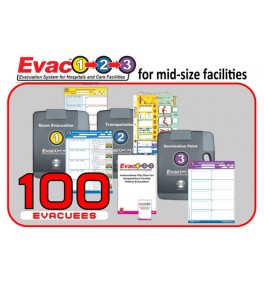
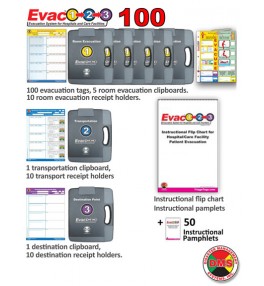
Evac123® Mid-Sized Hospital/Facility Evacuation 100 Package
Evac123® Hospital / Facility Evacuation Package - Choice of Standard or Pediatric Ev..
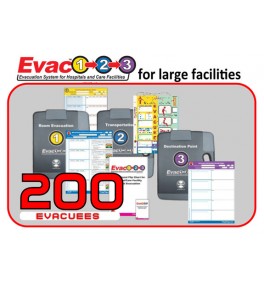
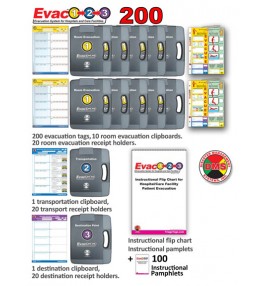
Evac123® Large Hospital/Facility Evacuation 200 Package
Evac123® Large Hospital / Facility Evacuation Package - Choice of Standard or Pediatric Ev..
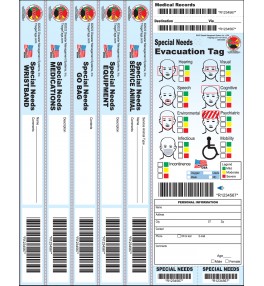
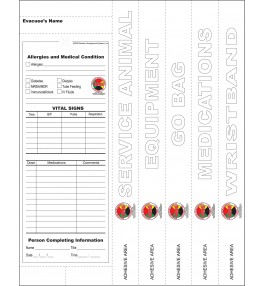
Special Needs Evacuation Tag
Special Needs Evacuation Tag Features a Universal Language Method of Categorizing the Degree ..
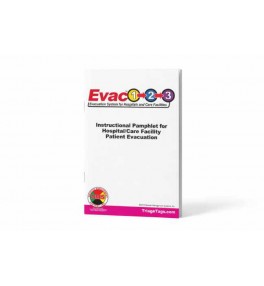
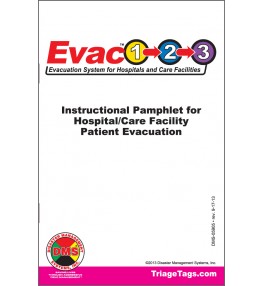
Evac123® Instructional Pamphlets - Pack of 25
Evac123® Instructional Pamphlets - Pack of 25 Walks you through the Evac123® System These pamp..
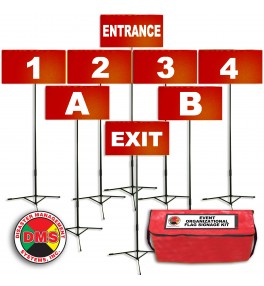
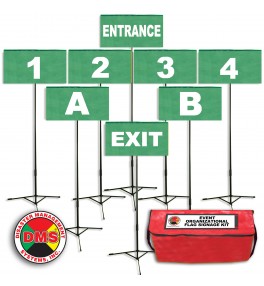
Event Organizational Flag Signage Kit
Event Organizational Flag Signage KitSuitable for Drive-thru or Walk-thru EventsThis signage flag ki..
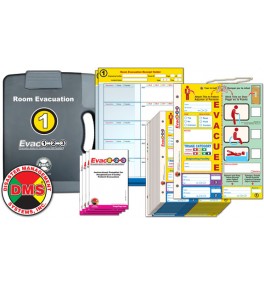
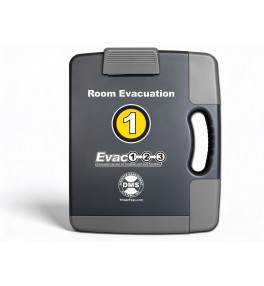
Evac123® Room Evacuation (Step 1) Package
Evac123® Room Evacuation Package - Choice of Standard or Pediatric Evacuation TagsStep 1 of the..
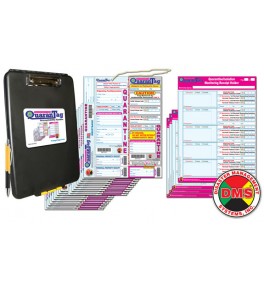
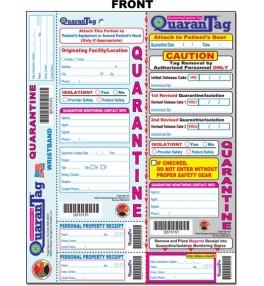
QuaranTag™ Quarantine Isolation Monitoring System
QuaranTag™ Quarantine / Isolation Monitoring System This System Provides A Way to Not Only Labe..
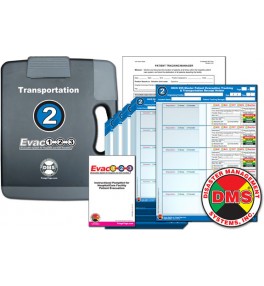
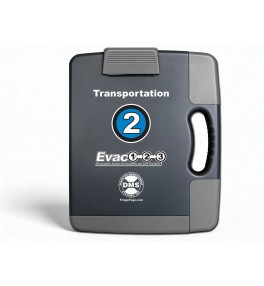
Evac123® HICS 255 Transportation (Step 2) Package
Evac123® HICS 255 Transportation PackageStep 2 of the 3 Step Evac123 System - HICS 255 Sta..
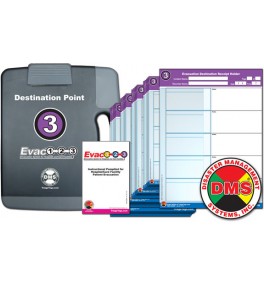
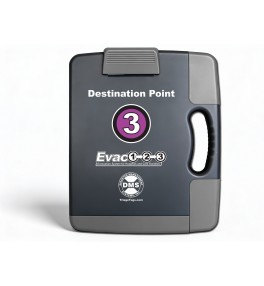
Evac123® Destination (Step 3) Package
Evac123® Destination PackageStep 3 of the 3 Step Evac123® System - DestinationHICS / NHICS Comp..
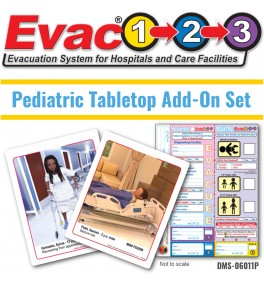
Evac123® Pediatric Tabletop Add-On Set
Evac123® Pediatric Tabletop Add-On Expand Your Current Tabletop Kit with Pediatric Victim Cards..

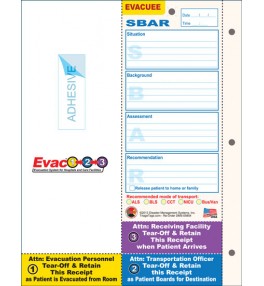
Evac123® Patient Evacuation Tag
Evac123® Patient Evacuation Tag HICS/NHICS Compliant Patient Accountability An integral part o..
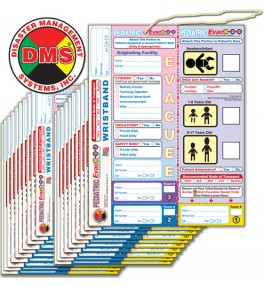
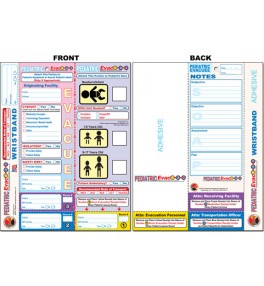
Evac123® Pediatric Evacuation Tag
Evac123 - Pediatric Evacuation Tag This Tag Simplifies Pediatric Evacuee Tracking by Integratin..
Department of Health Emergency Response & Public Health Preparedness
Department of Health agencies play a critical role in coordinating public health response during disease outbreaks, mass vaccination efforts, healthcare evacuations, and other large-scale emergencies. These incidents require clear organization, accountability, and strong coordination across hospitals, emergency management, and field personnel.
Common Uses
- Supporting mass vaccination and Point of Dispensing (POD) operations
- Coordinating personnel and resources during public health emergencies
- Managing patient tracking and accountability during evacuations
- Establishing ICS-based command structures for public health incidents
- Improving communication across multi-agency response efforts
Why Structured Public Health Response Matters
Public health emergencies often involve multiple agencies, large populations, and rapidly evolving conditions. Without structured systems in place, communication breakdowns and gaps in accountability can occur. Tools that support ICS-based coordination, patient tracking, and clear role identification help ensure that resources are used effectively and that the greatest number of individuals receive appropriate care during high-pressure incidents.